

Uganda’s oil and gas sector has generated nearly 200,000 jobs ahead of commercial oil production, but industry leaders are warning that employment patterns will change sharply as the country transitions from construction to operations.
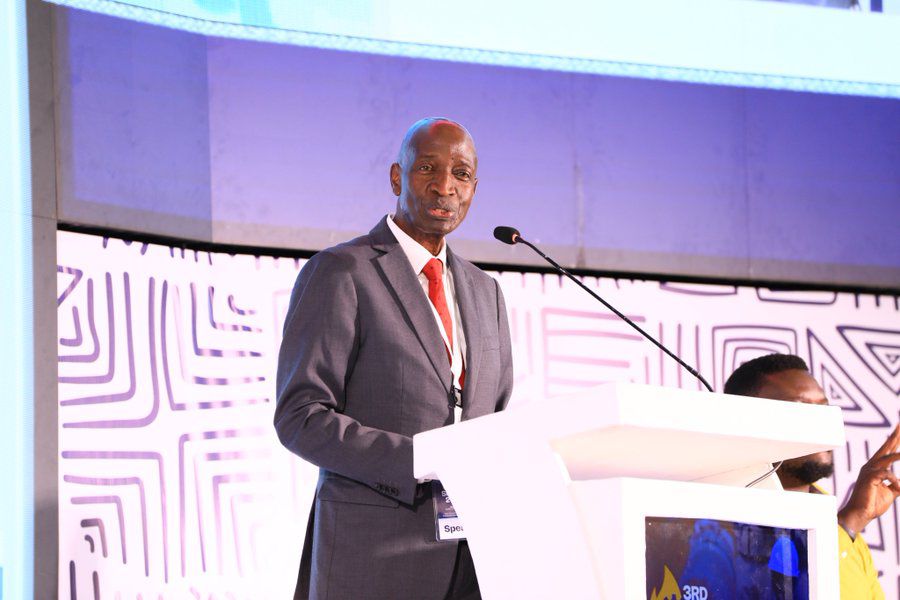
Speaking at the Third Oil and Gas Skills Expo 2026 under the theme, “From Oil and Gas to the Wider Economy: Transferable Skills Driving Sustainable Growth,” the Executive Director of the Petroleum Authority of Uganda, Ernest Rubondo, said the sector had created more than 21,000 direct jobs by the end of 2025, alongside tens of thousands of indirect and induced employment opportunities.
“Overall, the total employment impact of the industry approached 200,000 jobs, underscoring its substantial contribution to national employment creation, income generation, and Uganda’s economic growth,” Rubondo said.
He explained that the industry had also generated about 50,000 indirect jobs through transport, hospitality, supply chains, and subcontracting, while broader economic activity linked to petroleum investments supported an estimated 140,000 additional jobs.
Rubondo, however, cautioned that Uganda must prepare workers for a changing labour market as the oil sector moves closer to production.
“The theme for this year’s Expo is very timely because it aligns with the current stage of development of Uganda’s oil and gas sector which is progressing towards the commencement of commercial oil production,” he said.
He noted that labour demand typically declines after the construction phase, making skills transfer critical to ensure Ugandans remain employable across other sectors of the economy.
“With all the above skills already in the sector, it is important to appreciate that skills transfer does not occur automatically. It requires deliberate interventions, including certification, structured training, and information sharing,” Rubondo added.
According to the Petroleum Authority, more than 14,000 Ugandans have already been trained in petroleum-related skills through institutions including Makerere University, Uganda Petroleum Institute Kigumba, Kyambogo University, and Mbarara University of Science and Technology.
The training has covered areas such as welding, scaffolding, heavy goods vehicle driving, and Health, Safety and Environment (HSE), with 14 institutions attaining international certifications including OPITO, EICTB, and City & Guilds accreditation.
Speaking on behalf of Energy Minister Ruth Nankabirwa, Under Secretary Grace Tusiime said government’s new National Petroleum Policy 2025 prioritises skills development, technology transfer, and collaboration between industry and academic institutions.
“The recently launched National Petroleum Policy 2025 emphasizes skills development, technology transfer, innovation and stronger collaboration between industry and academia to prepare Ugandans for the evolving energy landscape,” Tusiime said.
She added that the policy also promotes digital skills, innovation, and environmental stewardship as Uganda prepares for oil production.
Meanwhile, the Dean of the School of Natural Sciences at Makerere University, Prof. Juma Kasozi, said investments from the oil and gas sector had strengthened university research and technical training capacity.
“These investments have enabled us to produce a highly skilled workforce that is now contributing directly to the petroleum sector,” Kasozi said.
Industry experts say Uganda’s transition into commercial oil production is expected to reshape labour demands, with greater focus shifting toward specialised operational skills, maintenance, environmental management, logistics, and long-term industrial support services.
